

.jpg)


Speed and precision don't always show up in the same cut. A chop saw is a common tool in most shops because it's quick, inexpensive, and cuts stock to size with minimal effort. But precision work has its own demands, and a cutoff wheel wasn't built to meet them. The gap between the two shows up later: in fit, finish, and whether the part is actually ready to use.
Both tools cut metal, yet they differ sharply in blade type, speed, finish, and cost. Choosing between a cold saw vs. a chop saw depends on production needs, material, tolerance, and budget.
What Is the Difference Between a Cold Saw and a Chop Saw?
A cold saw uses a toothed circular blade at a controlled, relatively low speed to shear through metal cleanly. A chop saw typically spins an abrasive wheel at a much higher speed, grinding through material rather than cutting it.
The name "cold saw" refers to where the heat goes during the cut. Toothed blade action transfers cutting heat into the chips it produces, leaving the blade and workpiece comparatively cool.
Cold saw cutting method
A cold saw's toothed blade shears material at a controlled feed rate, producing cleaner edges with minimal burr formation. Lower rotational speed and steady chip removal keep heat buildup to a minimum.
Chop saw cutting method
An abrasive chop saw wheel grinds through metal at high RPM, generating sparks, friction heat, and rough edges. That heat often causes discoloration and burrs needing grinding before the part moves downstream.
Cold Saw vs. Chop Saw: Key Comparison Factors
Fabrication shops care about more than which saw feels faster on a single cut. Cut quality, blade cost, heat, and total production time all factor into which tool actually saves money.
Cut quality and accuracy
Cold saws typically produce straighter, cleaner, more accurate cuts that need far less cleanup. That accuracy matters most on parts headed straight into a weld fixture or press brake.
Heat and burrs
Chop saw cuts run hotter, leaving discoloration, hardened edges, and burrs that often require secondary grinding. Cold saw cuts stay cooler throughout, which reduces heat-affected zones and the labor needed afterward.
Blade life and cost
Cold saw blades cost more upfront but last through thousands of cuts when properly maintained and resharpened over time. Abrasive wheels are cheaper individually, but they wear quickly and get replaced far more often on high-volume jobs.
Speed and production
A chop saw can feel fast for one rough cut, but cold saws often win on total throughput. When accuracy and repeatability cut down on deburring, real production time favors the cold saw.
When to Use a Cold Saw
A cold saw earns its place in shops that cut tubing, pipe, bar stock, and structural profiles, where clean, accurate cuts matter most. It suits repeatable production runs, precise miter cuts, and weld prep needing minimal finishing.
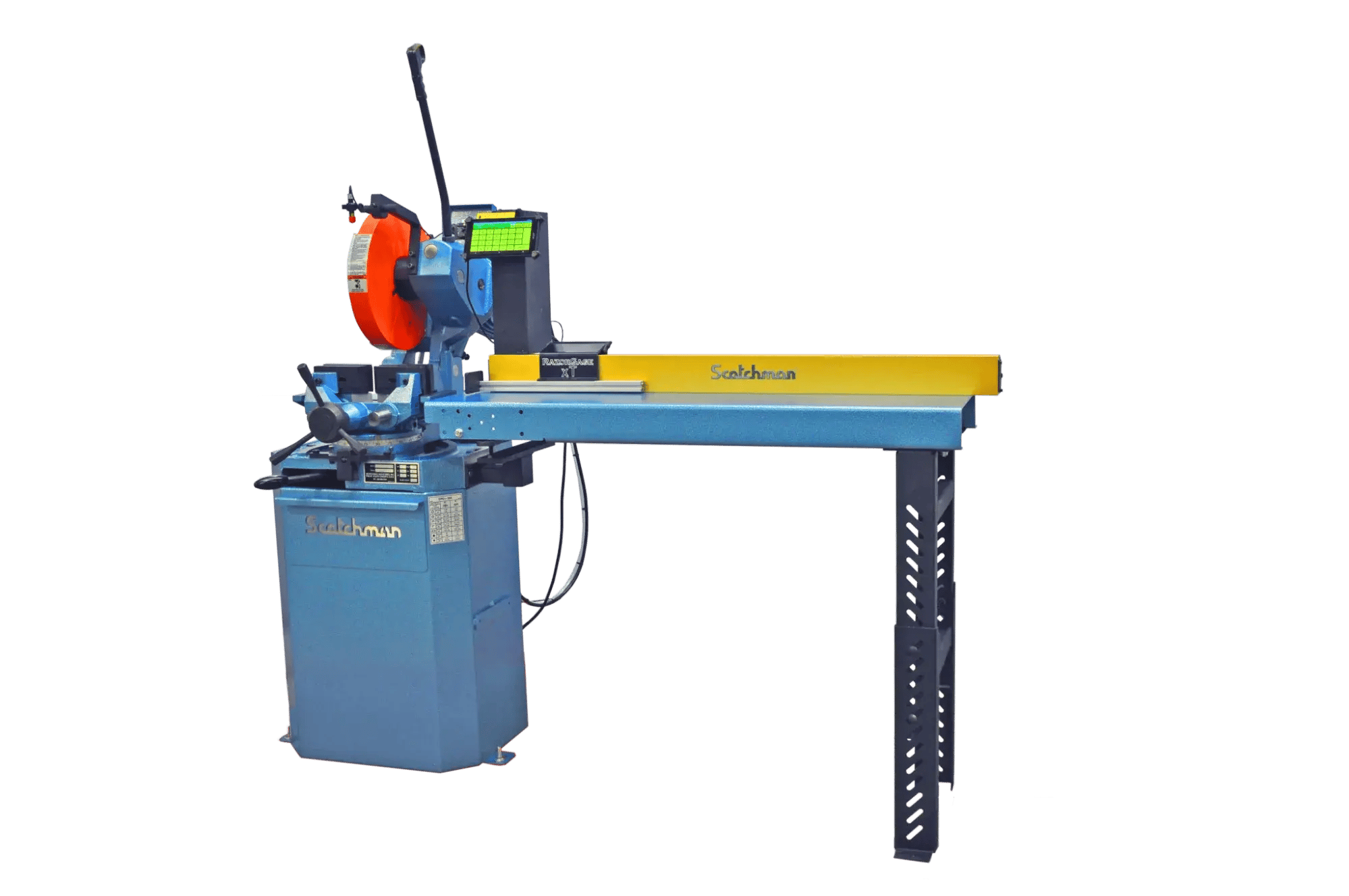
Precision metal cutting
Repeatable cuts mean tighter fit-up and less downstream labor, and a cold saw pairs naturally with an ironworker, pipe notcher, or hydraulic press already running in the shop.
Shops running steady daily volume often lean on manual cold saws for straightforward, operator-controlled cutting. Higher-volume operations frequently switch to a faster, hands-off setup to achieve consistent cycle times.
When to Use a Chop Saw
A chop saw fits budget-conscious shops, field work, and rough cutting where finish matters less than speed. It works well for occasional cuts and situations where a cold saw isn't practical.
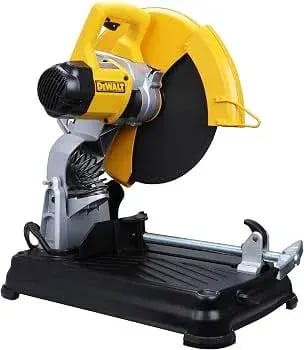
Rough cutting applications
Quick stock breakdown and non-critical cuts are where a chop saw genuinely shines on the shop floor. Precision is less important here, since the part usually gets reworked or welded regardless of edge quality.
OSHA's abrasive wheel machinery standard caps the exposed guard angle of a cutting wheel at 150 degrees, limiting exposure to a wheel that can disintegrate under load.
How to Choose the Right Saw for Your Shop
The choice depends on material type, cut volume, accuracy, and finish requirements, as well as total ownership cost rather than sticker price.
- Material type and thickness being cut regularly
- Required tolerance and finish quality on the cut edge
- Blade or wheel cost across expected production volume
- Mitering needs, clamping, and coolant requirements
- Available floor space and operator experience
Shops running higher volumes often upgrade to an automatic cold saw for consistent, hands-off cycle times.
Research from Purdue University's mechanical engineering program confirms that cutting heat concentrates at the chip rather than the workpiece, the same principle behind the cold saw's name.
Choosing between a chop saw vs. a cold saw means matching that heat-and-accuracy trade-off to your job mix.
Cut Once, Cut Right
A cold saw and a chop saw both belong in a well-equipped shop, just not for the same jobs on the floor. Match the tool to your tolerance needs, cutting volume, and budget, and the cleanup time takes care of itself downstream.
Scotchman builds cold saws designed for exactly that kind of daily, repeatable shop use across ferrous and non-ferrous material. Talk with a Scotchman specialist to find the right fit for your production line.
FAQ About Cold Saws and Chop Saws
Is a cold saw better than a chop saw for metal?
It depends on the job, since cold saws generally win on precision, repeatability, and clean edges across varied fabrication work, while chop saws win on upfront tool cost and portability. Shops running tight tolerances or high-volume production usually find the cold saw pays for itself through reduced finishing time.
Can a chop saw make accurate metal cuts?
A chop saw can handle rough cuts reasonably well, especially on non-critical stock headed straight to a welder, but abrasive wheels generally offer less precision than a toothed cold saw blade. Expect more heat, sparks, and burr formation, along with wider dimensional variance across repeated cuts on the same job.
Why is it called a cold saw?
The toothed blade design moves most of the cutting heat into the chips it produces, rather than into the blade or workpiece, keeping both relatively cool throughout the operation. That heat transfer is what separates a cold saw from an abrasive chop saw, which grinds and generates far more friction.
Is a cold saw worth the higher upfront cost?
It often is, especially when cleaner cuts, tighter repeatability, and reduced finishing time matter more than the initial purchase price for your shop. A cold saw blade also lasts through thousands of cuts when properly maintained, helping offset the higher upfront cost over the life of the machine.