

.jpg)
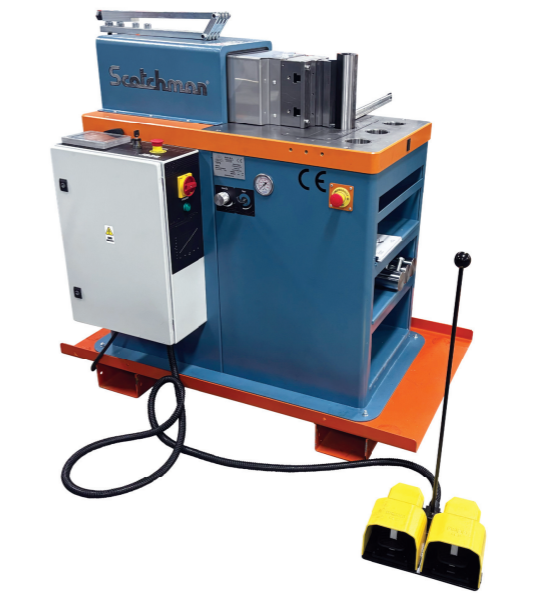
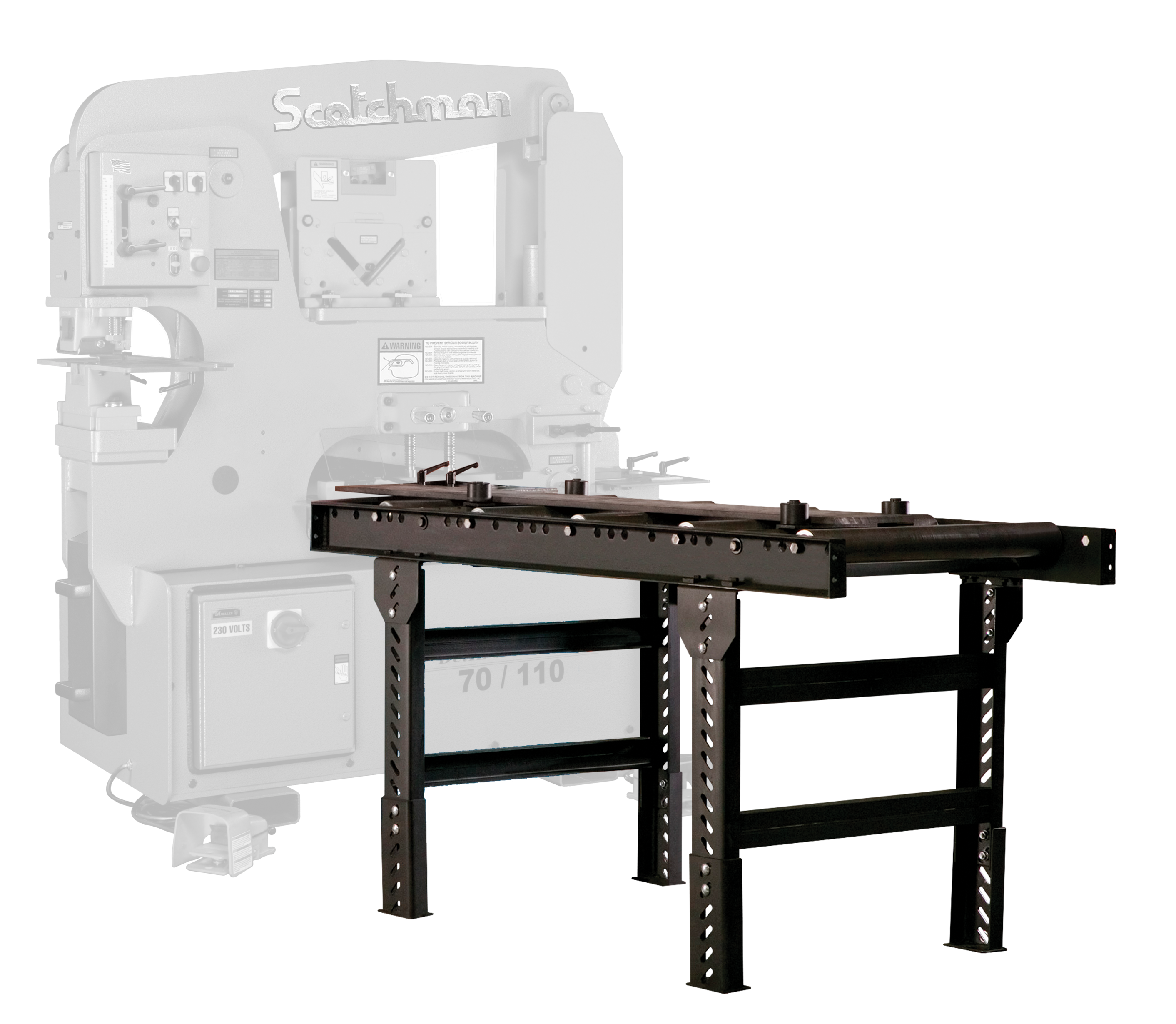


Every fabrication shop eventually faces the same equipment question when expanding into new work or replacing an aging machine: how to choose between two very different ways of generating force.
Both machine types punch, shear, notch, and form metal, but they deliver that force through entirely different systems. The choice affects daily output, maintenance costs, and how predictable your shop floor stays under pressure. This guide covers the key buying factors: power delivery, speed, control, safety, and maintenance.
What Is the Difference Between a Hydraulic and Mechanical Ironworker?
The core difference between hydraulic and mechanical ironworker designs lies in how force is generated and delivered. A hydraulic ironworker uses fluid power, transmitted through cylinders, to apply controlled, adjustable pressure throughout the stroke.
A mechanical ironworker instead relies on flywheels, gears, clutches, or crank-driven mechanisms to store and release energy in one fixed motion. That single distinction shapes stroke behavior and routine maintenance needs alike across every job.
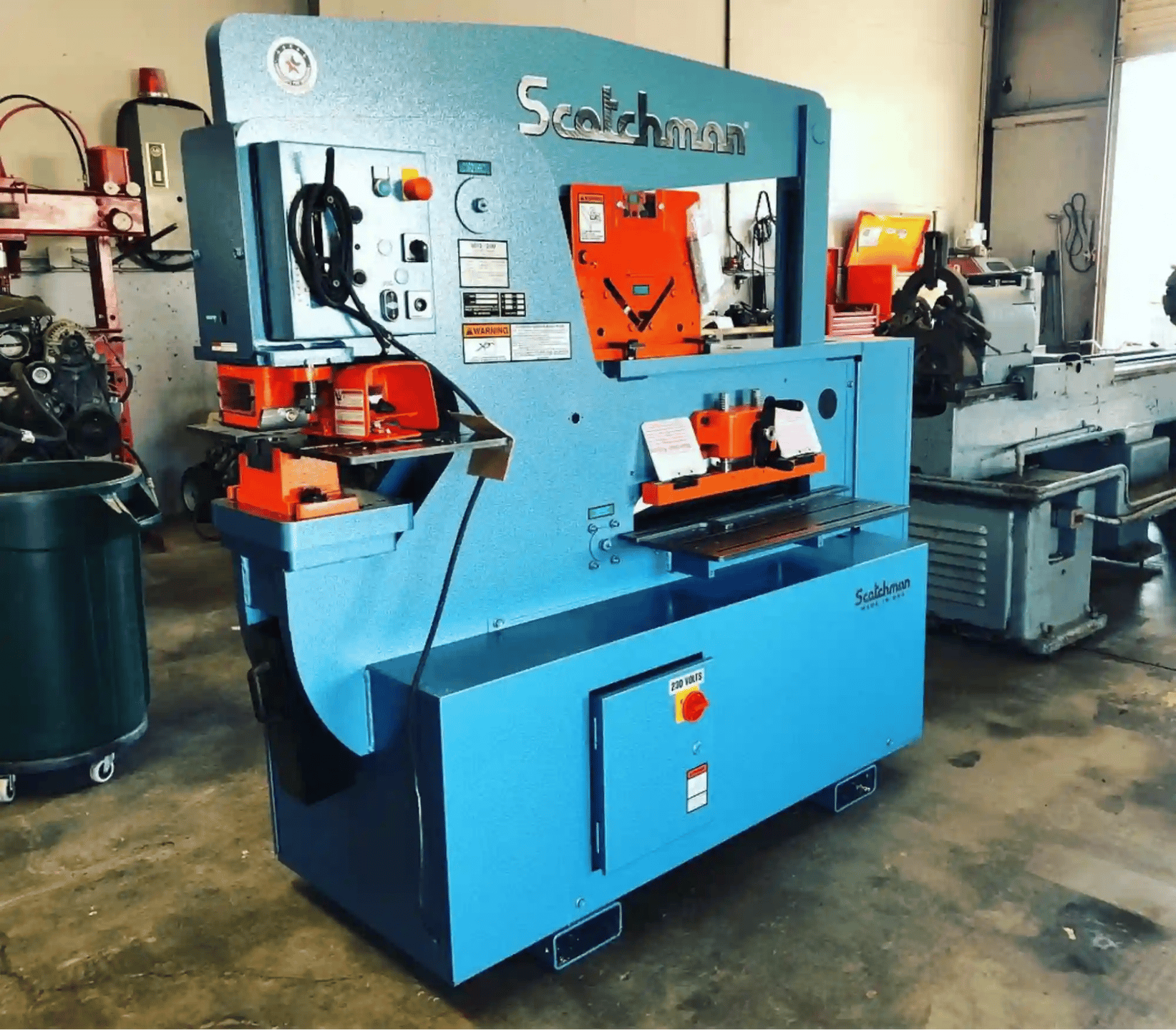
Hydraulic power delivery
Hydraulic systems apply pressure gradually and can be adjusted mid-stroke to match the material being processed. Operators can dial in lighter pressure for thin material, then increase force for heavier plates on the next job.
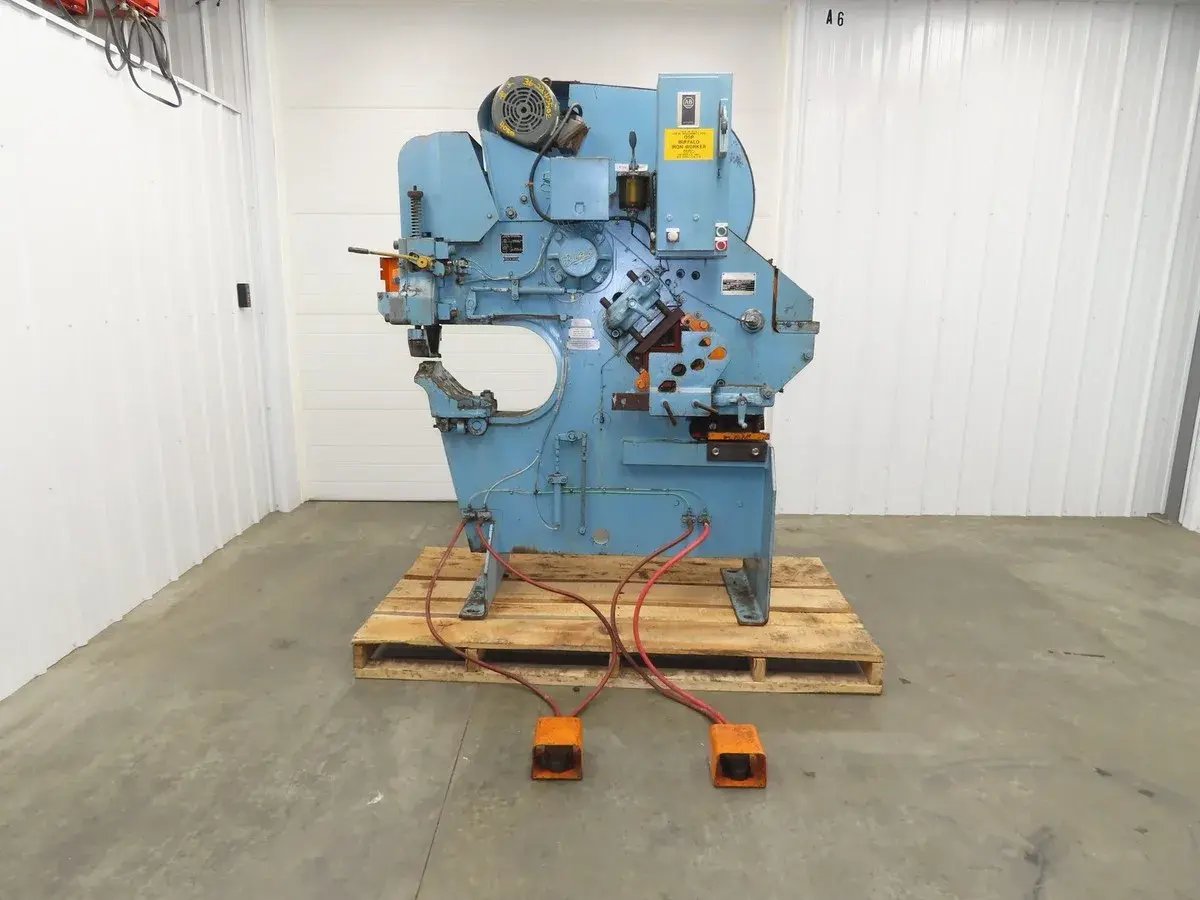
Mechanical power delivery
Mechanical ironworkers store energy in a rotating flywheel, then release it through a clutch to drive the ram forward. That stored energy delivers a rapid, fixed stroke suited to repetitive punching, though it trades away adjustability.
Key Performance Differences in Daily Fabrication Work
How each machine performs in practice depends on your shop's daily job mix. Each task, such as punching a plate, shearing a flat bar, or notching an angle, places different demands on a drive system, and the stronger performer typically varies with workload and material variety.
Speed and productivity
Mechanical machines cycle very fast on repetitive, high-volume punching jobs where the stroke never changes. Hydraulic ironworkers run somewhat slower but support efficient multi-purpose work across punching, shearing, and notching without retooling.
A dedicated punching operation running the same hole pattern all day often favors mechanical speed. A mixed-job shop switching between plate, angle, and bar all week typically benefits more from hydraulic flexibility.
Control and accuracy
Stroke control and pressure control matter most when your job mix changes constantly. A hydraulic ironworker allows an operator to ease into a cut, reducing the risk of distortion in delicate or thin material.
Maintenance, Safety, and Operator Considerations
Ownership costs extend well past the purchase price, and maintenance needs differ meaningfully between the two drive systems. Comparing hydraulic fluid systems with mechanical wear components clarifies your shop's long-term ownership costs.
Maintenance requirements
Hydraulic ironworkers require attention to hoses, seals, pumps, and fluid cleanliness, since contaminated or low fluid directly affects performance. Mechanical machines instead need regular inspection of clutch and brake components, plus lubrication of gears and other wear points.
Safety and training
Both machine types demand strict adherence to manufacturer procedures and proper point-of-operation guarding regardless of drive system.
According to OSHA, unguarded or inadequately guarded machinery contributes to roughly 18,000 amputations and more than 800 deaths across U.S. workplaces every year, underscoring why guarding and training remain non-negotiable on either machine.
Safe operation depends far more on training and guarding than on whether a machine runs hydraulic fluid or a mechanical flywheel.
Engineering researchers at the University of Michigan note that a hydraulic press applies its full rated force throughout the entire stroke, whereas a mechanical press reaches peak force only near the bottom of the stroke.
How to Choose the Right Ironworker for Your Shop
Choosing between these two drive systems comes down to a practical decision framework rather than one universal winner. Weigh your job mix, material thickness, tonnage needs, floor space, and operator experience first.
Best fit for a hydraulic ironworker:
- Mixed fabrication work spanning multiple material types and thicknesses
- Shops needing controlled punching, notching, and shearing from one machine
- Flexible operations that shift job types throughout the week
Best fit for a mechanical ironworker:
- Legacy shop setups already built around mechanical maintenance routines
- Specific, high-volume repetitive punching jobs run day after day
- Shops already staffed and trained to service mechanical systems
Modern, mixed-use fabrication environments favor the flexibility a hydraulic press or hydraulic ironworker provides, though a mechanical machine earns its place running repetitive work.
Right Machine, Right Shop
Choosing between a hydraulic vs. mechanical ironworker was never really about picking the objectively better machine for every shop. The right choice depends on matching each drive system's strengths to your job mix, volume, and operator experience.
Scotchman builds both machine philosophies into rugged, American-made equipment designed to withstand daily shop use. Talk with a Scotchman equipment specialist before you buy, and size your next machine to the work you do.
FAQ About Hydraulic vs. Mechanical Ironworkers
What is an ironworker machine used for?
An ironworker machine punches, shears, notches, and bends metal from a single workstation, handling plate, angle, bar, and channel stock without moving material between separate machines.
Is a hydraulic ironworker better than a mechanical ironworker?
It depends on the application, but hydraulic models are often preferred for their versatility and adjustable control across a range of fabrication jobs and material types.
What is the main difference between hydraulic and mechanical ironworkers?
Hydraulic ironworkers use fluid power moving through cylinders, while mechanical ironworkers rely on flywheels, gears, and clutches to generate and release stored force.
Do hydraulic ironworkers require more maintenance?
Hydraulic ironworkers do not necessarily need more maintenance than mechanical machines, just different maintenance, since fluid systems require hose and seal care, while mechanical designs require clutch and gear inspection.
What should I look for when buying an ironworker?
Consider tonnage, station capacity, tooling options, safety features, service support, and long-term durability before choosing between hydraulic and mechanical drive systems.